Supporting Couples and Keeping Families Together in the U.S.
CONNECT WITH AN ATTORNEYBecause Families Belong Together
Over the years, law firm founders and partners Stephen Blaker and Jacki Granet have helped many families reunite through immigration law. They understand how meaningful it is for couples to build a life together in the United States, and they value the opportunity to guide clients through an important step in that journey.
The marriage-based immigration process can involve detailed forms, strict documentation requirements, and multiple stages with U.S. immigration agencies. Stephen and Jacki work closely with clients to explain the process, prepare applications carefully, and present each case as clearly, thoroughly, and thoughtfully as possible.
If you have questions about the marriage green card or spousal visa process, call Blaker & Granet LLP at (323) 613-7074 to discuss your immigration goals.
Connect With Us

HEAD OF BUSINESS & EMPLOYMENT IMMIGRATION AT B&G
Meet Stephen Blaker
Stephen Blaker is a founding partner of Blaker & Granet LLP and a seasoned immigration attorney who focuses on employment and family-based immigration matters. His practice centers on helping businesses, professionals, and families ntemporary work visas, employment-based green cards, and naturalization. Through his work with companies across industries such as technology, media, finance, and real estate, Stephen provides strategic guidance to organizations and individuals pursuing opportunities in the United States.
READ STEPHENS'S FULL BIO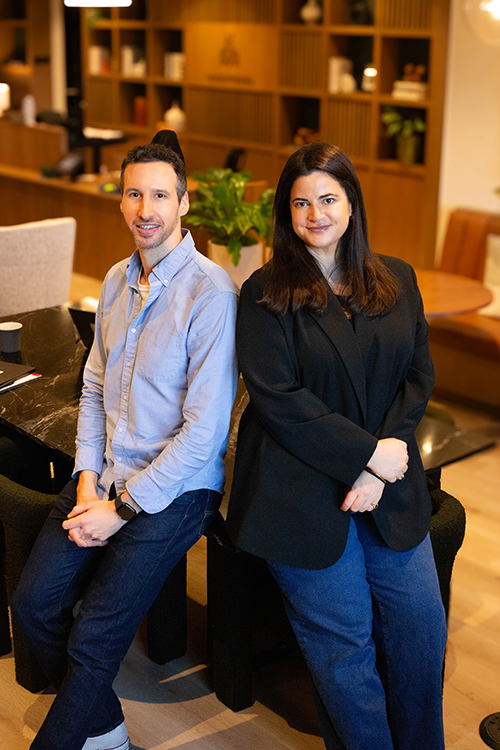
Blaker & Granet LLC Founding Partners Stephen Blaker & Jacki Granet
Types of Marriage-Based Immigration Cases We Handle
Every couple’s situation is unique. Some met in college. Some met online. Some have been together for years. Others are recently married and want to start their life together here in the United States. At Blaker & Granet LLP, we handle a wide range of marriage-based cases, helping couples from around the world find their pathways to the U.S.
Adjustment of Status for spouses already in the U.S.
Consular processing for spouses living abroad
Adjustment of Status for spouses already in the U.S.
K-1 fiancé visas
Conditional green cards and I-751 petitions to remove conditions
Cases involving prior visa overstays
Waivers for certain inadmissibility issues
Whether a couple is pursuing a marriage green card from within the United States or a spousal visa from abroad, the goal is the same: lawful permanent residence based on a legitimate marriage. Because immigration rules and procedures can be complex, many couples choose to consult with an experienced immigration attorney to better understand the process and prepare their application.
A marriage-based green card allows a foreign national who is married to a U.S. citizen or lawful permanent resident to apply for lawful permanent residence in the United States. If approved, the spouse may live and work in the United States permanently. This process is most commonly used when the foreign national spouse is already present in the United States and eligible to apply for permanent residence through adjustment of status. The application typically requires documentation proving the legal marriage, the eligibility of the sponsoring spouse, and evidence that the relationship is genuine.
CONNECT WITH AN ATTORNEYWhen the foreign national spouse is outside the United States, the process generally involves applying for an immigrant visa through a U.S. embassy or consulate abroad. This pathway is commonly referred to as a spousal visa. After the required petitions and documentation are approved, the foreign national spouse attends an immigrant visa interview at a U.S. consulate. If the visa is granted, the spouse may enter the United States as a lawful permanent resident.
CONNECT WITH AN ATTORNEYA marriage-based green card allows a foreign national to apply for lawful permanent residence through marriage to a U.S. citizen or lawful permanent resident. While every case is different, the process generally involves two main stages: filing the immigrant petition and then completing the green card application through either Adjustment of Status or Consular Processing.
SPEAK WITH AN ATTORNEYThe process begins when the U.S. citizen or lawful permanent resident spouse files Form I-130 with U.S. Citizenship and Immigration Services (USCIS). This petition establishes the qualifying family relationship.
To prepare the petition, the couple typically provides documentation such as:
• Proof of the petitioner’s U.S. citizenship or lawful permanent resident status
• Marriage certificate showing the legal marriage
• Passport and identity documents for the foreign national spouse
• Birth certificates and immigration documents, if applicable
• Evidence that the marriage is genuine, which may include joint financial records, photos together, insurance policies, or affidavits from friends and family
Both spouses usually sign forms as part of this filing. USCIS reviews the petition to confirm that the marriage qualifies under immigration law.
After the I-130 is filed or approved, the foreign national spouse may continue the process through one of two paths, depending primarily on where they are located. If the foreign national spouse is already in the United States and eligible, they may apply for permanent residence through Adjustment of Status. This process typically involves submitting additional documentation.
• Birth certificate and identification documents
• Recent tax returns
• A medical examination performed by a USCIS-authorized physician
• An Affidavit of Support from the petitioning spouse showing financial ability to support the applicant
During this stage, the applicant may also apply for a work permit and travel authorization while the case is pending. If travel authorization is requested, it must be approved before leaving the United States. Often, USCIS schedules an interview in the United States before making a final decision.
If the foreign national spouse lives abroad or is not eligible for Adjustment of Status, the case proceeds through Consular Processing.
After the I-130 is approved, the case moves to the National Visa Center, where additional forms and supporting documents are submitted. The applicant will then attend an immigrant visa interview at a U.S. embassy or consulate abroad.
This process typically includes:
• Submission of civil documents and financial sponsorship forms
• Police clearance certificates from countries where the applicant has lived for extended periods since age 16
• A medical examination performed by an approved physician abroad
If the visa is approved, the applicant enters the United States as a lawful permanent resident, and the physical green card is mailed after arrival.
If the visa is approved, the applicant enters the United States as a lawful permanent resident, and the physical green card is mailed after arrival.

To begin the process, there are several basic eligibility requirements that must be met. The person "sponsoring" the application must be a U.S. citizen or a lawful permanent resident. You must also have a marriage that is legally recognized, meaning you have a valid marriage certificate issued by the jurisdiction where the marriage took place.
One of the biggest hurdles for many is the financial requirement. The U.S. sponsor needs to show they earn enough to support the household at 125% of the federal poverty guidelines. As of 2026, for a two-person household, that usually means an income of at least $25,550, though this changes based on family size
In addition to meeting eligibility requirements, applicants must also demonstrate that the marriage is bona fide. In immigration terms, this means showing that the marriage was entered into in good faith and that the couple intends to build a life together, rather than marrying solely for immigration purposes.
Get StartedMarriage-based immigration might look simple on the surface, but it connects to a web of statutes, regulations, and policy updates that change over time.
We stay current on immigration law so your case is built on up-to-date guidance. If your case involves complications like unlawful presence, prior denials, or past visa issues, we know how to address them strategically.
We’ve helped countless couples across Los Angeles navigate the green card and spousal visa process successfully. From straightforward cases to more complex situations, we have developed a unique approach to the marriage green card & spousal visa processes.
Past results don’t guarantee future outcomes, but experience matters, and we bring our experience to every case we handle.
Few things are more frustrating than not knowing what is happening with your immigration case. We believe clients deserve clear, timely communication throughout the process.
Stephen, Jacki, and the entire team prioritize responsiveness and transparency. If you have a question, you should feel comfortable reaching out to our office. When there are updates or developments in your case, we make every effort to keep you informed so you understand what to expect at each stage.
Even genuine couples can run into issues. Immigration officers are trained to look for inconsistencies or signs of fraud, and sometimes perfectly innocent situations raise questions. Here are some common challenges we see:
None of these result in automatic denial, but the case needs to be documented carefully. Blaker & Granet LLP helps clients address potential concerns proactively. Rather than hoping an issue is overlooked, we work to identify it early, explain it clearly, and provide supporting documentation where appropriate. Taking a careful and transparent approach can often make a meaningful difference in how a case is reviewed.

CONTACT US
If you are considering a marriage-based green card or spousal visa, or if you have already begun the process and have questions about what comes next, our team would be glad to speak with you about your situation.
At Blaker & Granet LLP, we love to help couples and families stay together in the United States. Our attorneys work with clients across Los Angeles to prepare thoughtful immigration applications. If you would like to discuss your options, please contact our office at (323) 613-7074 to schedule a consultation.
Starting a life together in the United States is an important milestone, and careful preparation can help ensure your immigration process supports your dreams for the future.
Frequently Asked
As of 2026, the timeline usually falls between 10 and 18 months for spouses of U.S. citizens living in the United States. If you are applying from abroad via a consulate, it can take 12 to 24 months, depending on the specific embassy's backlog.
For spouses of green card holders, the wait is often longer (sometimes 2 to 3 years) because of annual limits on how many visas can be issued in that category.
In many cases, yes. If the sponsoring spouse is a U.S. citizen and the foreign spouse entered the country legally, the law often "forgives" the overstay during the adjustment of status process.
However, if the sponsor is a green card holder or if the entry was not legal, the rules are much stricter and usually require a special waiver to avoid a long-term ban.
The interview is often the part that intimidates applicants, but it doesn't have to be daunting. Usually, you and your spouse will go to a USCIS office together. An officer will put you under oath and then ask questions about your life. They might ask how you met, who does the cooking, or what you did for your last birthday.
In some cases, especially if the officer has some doubts, they might conduct a "Stokes" interview where they talk to you in separate rooms and compare your answers. This is where having an attorney present really matters. We are there to ensure the questions are fair and to help clarify anything that might be misunderstood due to a language barrier or simple nerves.
Not necessarily. While many married couples live together, immigration law focuses primarily on whether the marriage is genuine. Couples may live apart temporarily for work, school, or immigration reasons. If you are not currently living together, it is important to explain the circumstances and provide other evidence showing the relationship is real and ongoing.
You typically have 30 days to file a "Motion to Reopen" or a "Motion to Reconsider" if you believe the officer made a mistake or if you have new evidence to show. Alternatively, you might choose to refile the entire application from scratch with better documentation.
You can, but you need a specific document first. When we file your green card paperwork, we also submit Form I-765. It usually takes about 3 to 6 months to get your work permit card in the mail. Once that card arrives, you are free to work for any employer in the U.S. while you wait for your final green card approval.
USCIS looks for evidence that a couple shares a real life together. This can include joint bank accounts, shared leases or mortgages, insurance policies listing each other as beneficiaries, photographs together, travel records, and affidavits from friends or family members. The goal is to show that the marriage was entered into in good faith rather than solely for immigration purposes.
If you are applying for adjustment of status inside the United States, you usually need advance parole before leaving the country. Traveling without approved advance parole could result in your application being considered abandoned. It is important to review travel plans carefully before departing the United States while a case is pending.

Copyright © 2024 Blaker & Granet Immigration Law
(323) 613-7074[email protected]1875 Century Park East